
Reducing Time-to-Value in a Signal-Dense Platform

Context

Common Room’s product had evolved rapidly, resulting in visual inconsistency, dense interfaces, and unclear activation paths. Customer feedback consistently pointed to friction in understanding where to start and how to extract value.

We needed to improve usability while preserving product depth.

My Role

  • Co-led product rethinking alongside design leadership
  • Owned structural and visual redesign of core surfaces
  • Influenced prioritization of activation-related improvements
  • Assumed additional design ownership following leadership departure

Client

Common Room

Type

UI/UX Design

Year

2024

Process

The Problem

Users struggled with:

  • High signal density without clear prioritization
  • Difficulty navigating between Segments and workflows
  • Unclear starting points for new accounts
  • Inconsistent UI patterns

The product delivered insight, but not clarity.

Key Decisions

1. Reposition Home as the Activation Hub

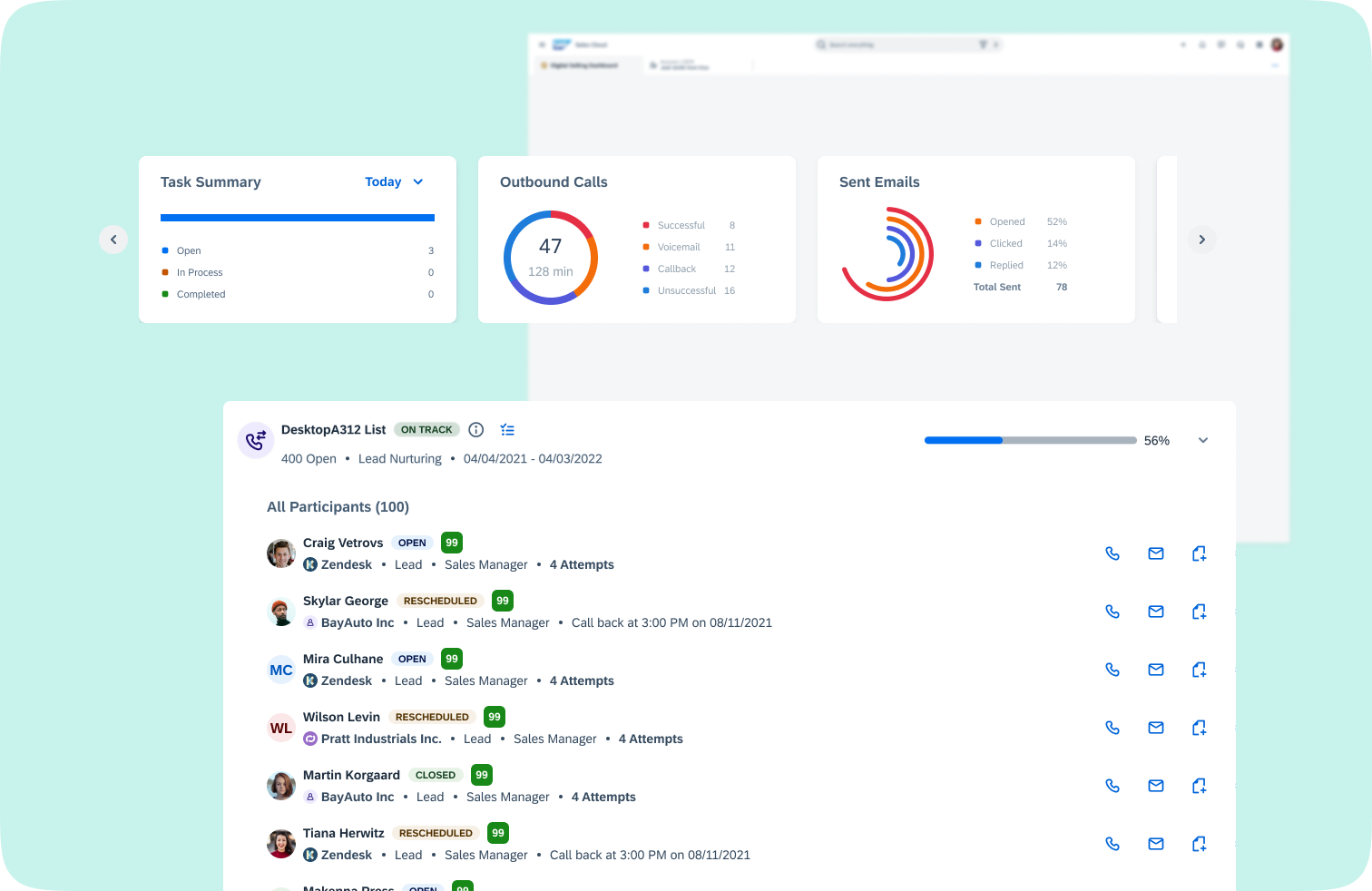
We shifted Home from a static overview page to a segment-driven workspace:

  • Clear entry point for high-priority segments
  • Action-oriented framing
  • Reduced cognitive load

This aligned product structure with how revenue teams actually operate.

2. Reduce Visual Density

We:

  • Simplified layout patterns
  • Standardized spacing and hierarchy
  • Removed redundant UI elements
  • Reduced competing visual emphasis

This improved scannability without removing depth.

3. Align Structure with JTBD

Instead of designing by feature, we structured around user intent:

  • Identify priority accounts
  • Understand engagement signals
  • Take action

This created clearer mental models across the platform.
Outcome

What Shipped

  • New Home as segment hub
  • Visual system simplification
  • Updated layout patterns across surfaces
  • Clearer activation pathways

What I Learned

  • Structural clarity has greater impact than feature expansion
  • Activation architecture is a product strategy problem, not just a UI problem
  • Design ownership during transition requires strong prioritization judgment

What I’d Do Differently

  • Instrument time-to-value metrics earlier
  • Validate new mental models with structured usability testing
  • Tie redesign more directly to conversion benchmarks

Other work

Want to create something awesome? Drop me an email.

→ Hi@email.com